

Mechanical & Pneumatic
Piano Restoration
An engineering marvel bringing legendary instruments back to life.
An Expertise
Inherited from exceptional craftsmanship
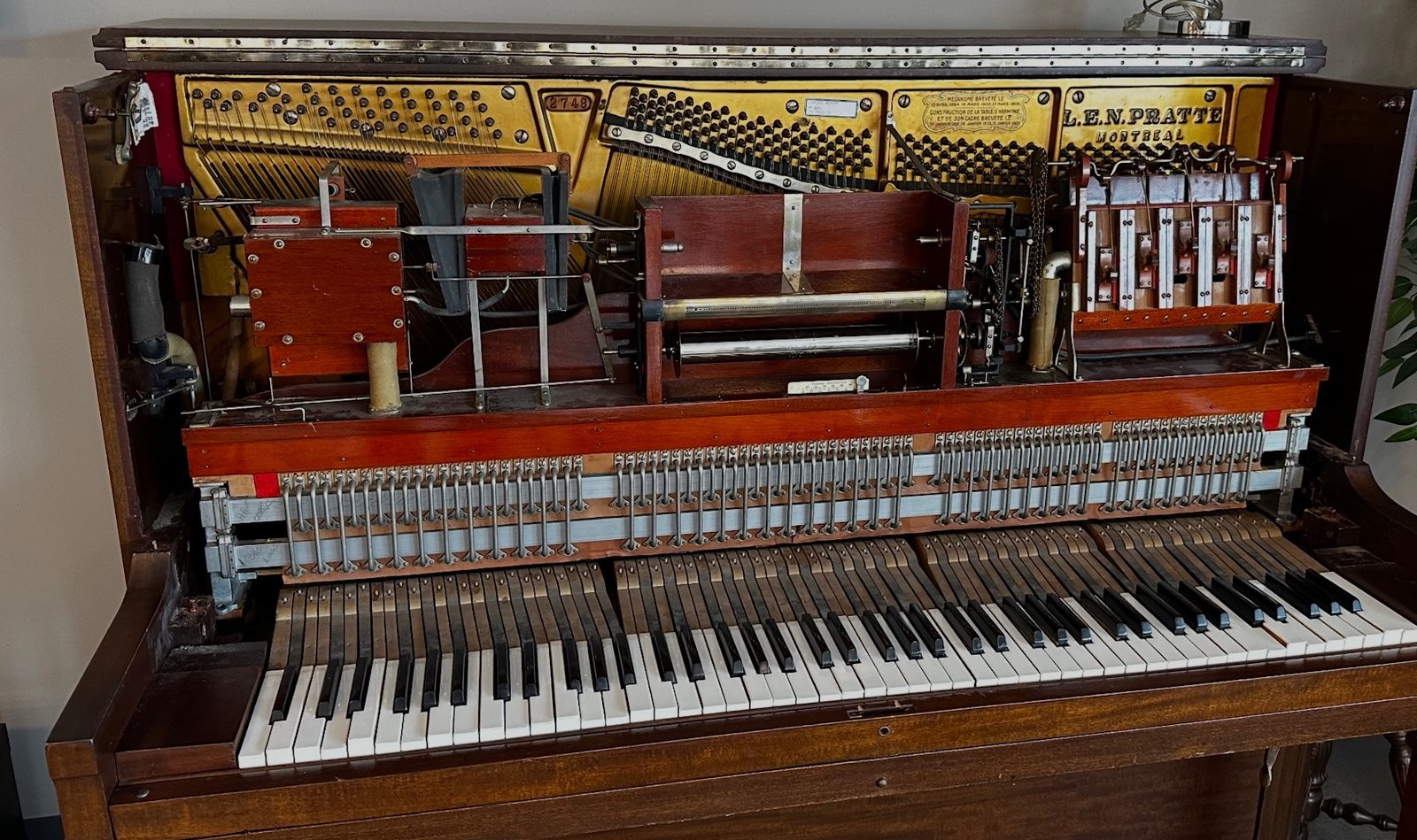
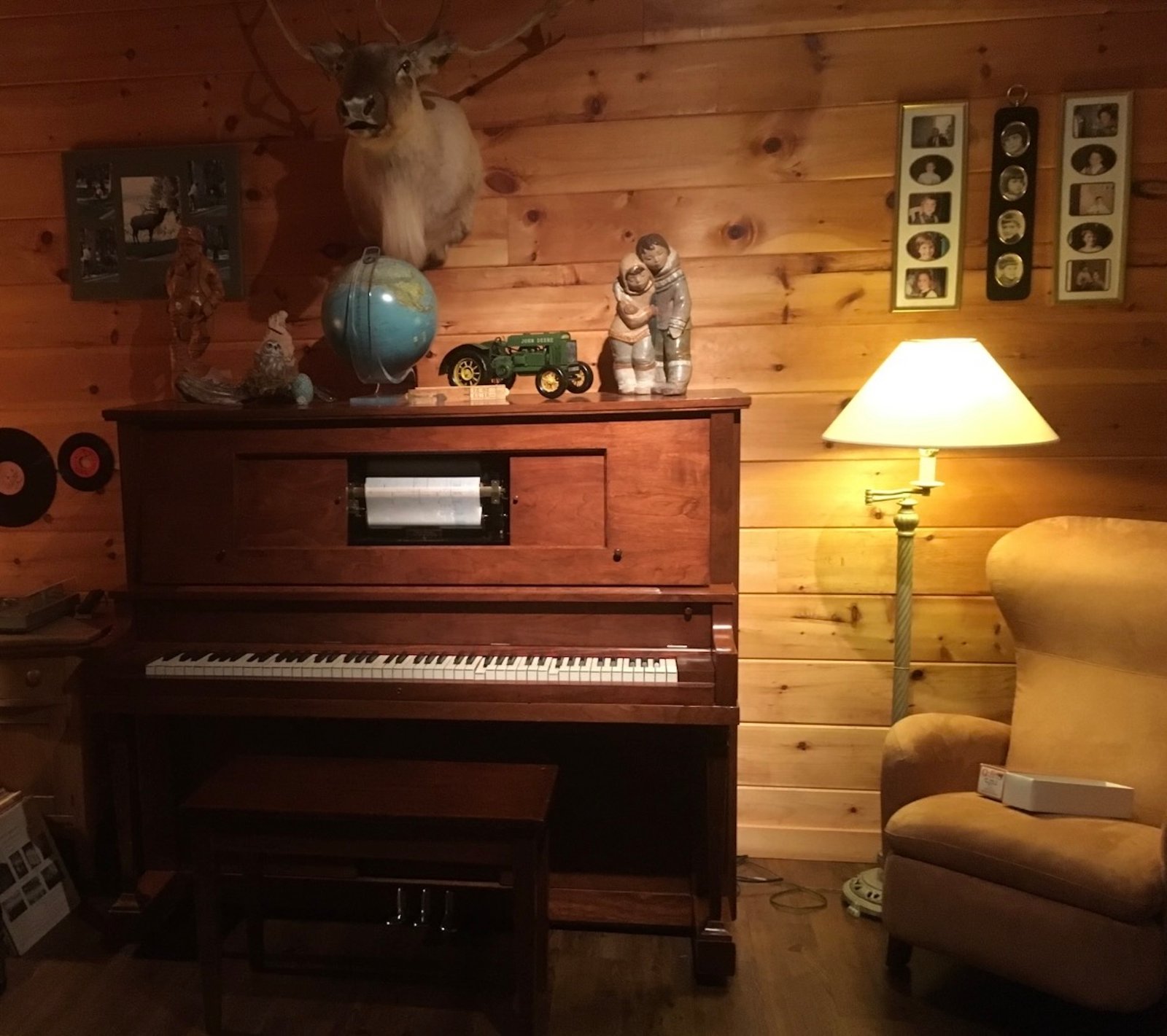
The mechanical piano (or Player Piano) is an engineering marvel that requires specific expertise. In my workshop, I specialize in the restoration of complete pneumatic systems.
The goal is to breathe life and soul back into instruments from legendary brands such as Aeolian, Steinway (Pianola), and many others.
Whether you are in Montreal, Laval, or on the South Shore, I travel to evaluate the condition of your instrument and ensure its longevity.
Entrust your piano to a pneumatics artisan.
Precision Work
The restoration of a pneumatic piano involves several vital components.
Player Pianos
Restoration of the pneumatic motor and tracking system to guarantee a faithful interpretation of your music rolls.
Bellows and Valves
Meticulous replacement of leathers and felts to ensure perfect airtightness and optimal sound dynamics.
Antique Mechanics
Fine adjustment of levers and components specifically dedicated to complex automatic reproduction systems.
The Legacy of Craftsmanship
History of Pianos Coulombe
and Patrick Brennan
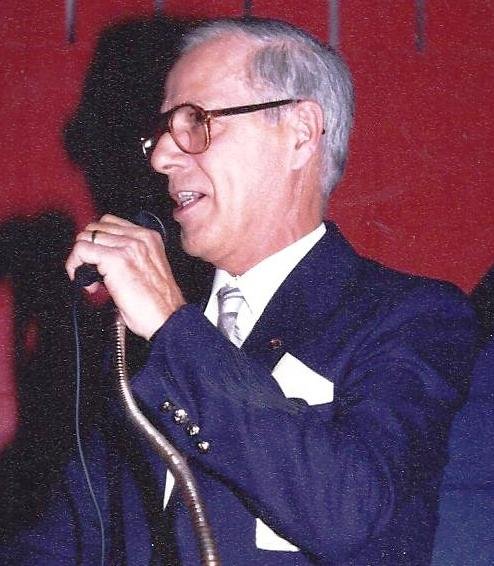
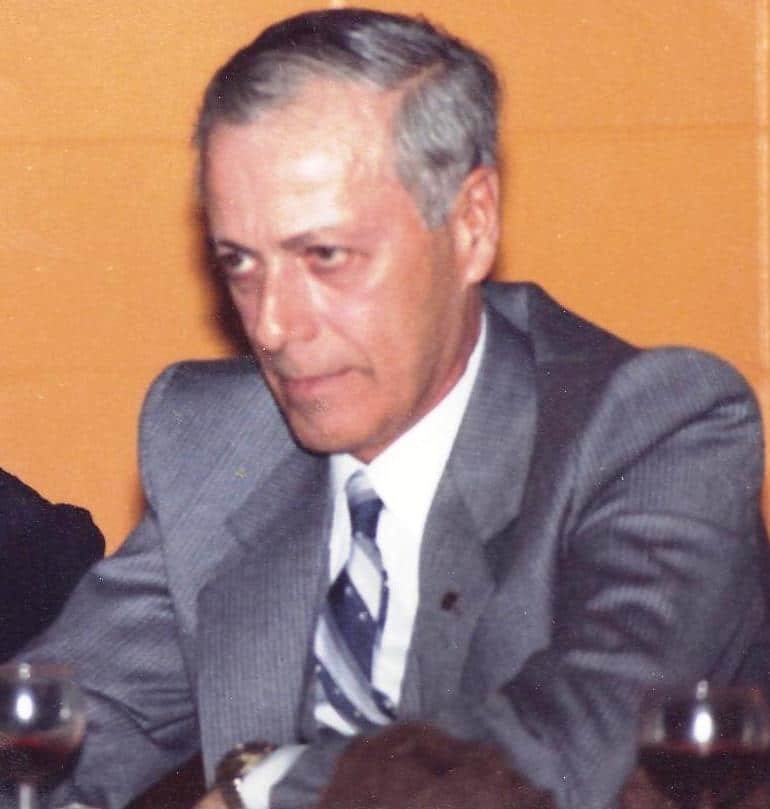
Henri Coulombe (1924-2009)
Henri Coulombe began his career at the age of 14. He apprenticed in the assembly and repair of player pianos at Donat Langelier on Ste-Catherine Street, which distributed major brands of the era (Langelier, Pratte, Strathmore...).
During the 1930s, he returned to school at the Teccart Institute to study electronics, preparing for the arrival of electronic organs (such as the famous Connsonata) in churches.
After Mr. Langelier's passing in the 1960s, he continued as a specialized technician. In the early 70s, he founded Service d'orgues Coulombe enr., becoming a major contractor, notably for the newcomer: the Yamaha company.
In the mid-70s, faced with growing demand, Henri added the restoration of player pianos and harmoniums to his services. It was during this time that he introduced his son Serge to the trade, who would make it his life's specialty.
During the 80s, they formed Pianos Coulombe et fils enr. For 25 years, they became the absolute reference for merchants and tuners in Montreal. Henri Coulombe passed away in 2009 at 85, leaving behind a legacy of undisputed rigor.
In Memory of Serge Coulombe
Heir to a rare knowledge passed down by his father, Serge Coulombe dedicated his life to the restoration of player pianos with rigor, patience, and humility.
A discreet yet essential artisan, he perpetuated a tradition stemming from the great Montreal school, making Pianos Coulombe et fils a respected reference for over 25 years (until his retirement in 2020).
Now retired, Serge leaves behind much more than restored instruments: he leaves a methodology, an uncompromising demand for quality, and a profound respect for the craft.
The Journey of Patrick Brennan
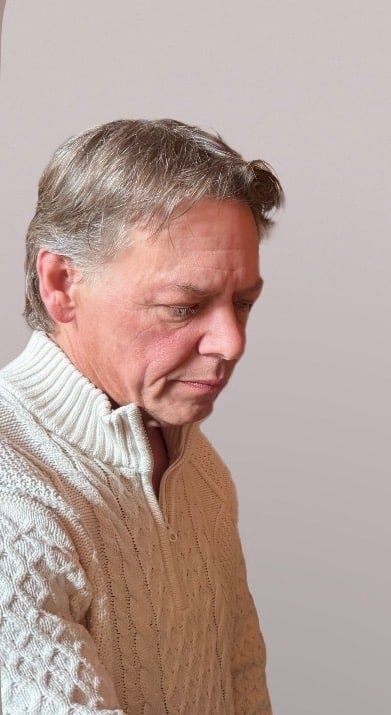
This work now continues through Patrick Brennan, who ensures the continuity of the craft and the future of the player piano in Quebec.
Patrick began alongside a recognized master technician, developing a rigorous and sensitive approach early on. The acquisition of Michael Raybould's clientele was a significant first milestone.
Over the years, he has taken over from several colleagues, including the famous store Le Palais de la Musique. He has also been involved in passing on his art by training, about ten years ago, the tuners behind the Les Pianos Publics project.
Today, he continues to work with passion in artistic circles, on television sets, in concert halls, and in private homes.
The precious mentoring of Serge Coulombe, now retired, was decisive in acquiring this rare know-how. Building on this heritage, Patrick today offers the same level of precision, whether for a large stage or for the piano that accompanies your daily life.
The Restoration Process
Restoring a player piano is a specialized intervention that involves both the traditional mechanics of the piano and its automatic pneumatic system.
Over time, the tubes, rubber hoses, bellows, and seals deteriorate, leading to pressure loss, tracking irregularities, and malfunctions in the roll mechanism.
The objective is to revive an instrument capable of functioning with precision in both automatic mode and manual play, respecting its original design.
The restoration involves replacing the pneumatic components, restoring optimal airtightness, refurbishing the reading mechanism, and then finely adjusting the overall mechanics of the piano (keys, hammers, regulation).
A well-executed restoration preserves the heritage value of the piano, ensures its long-term reliability, and breathes life back into a unique instrument at the crossroads of music and mechanics.